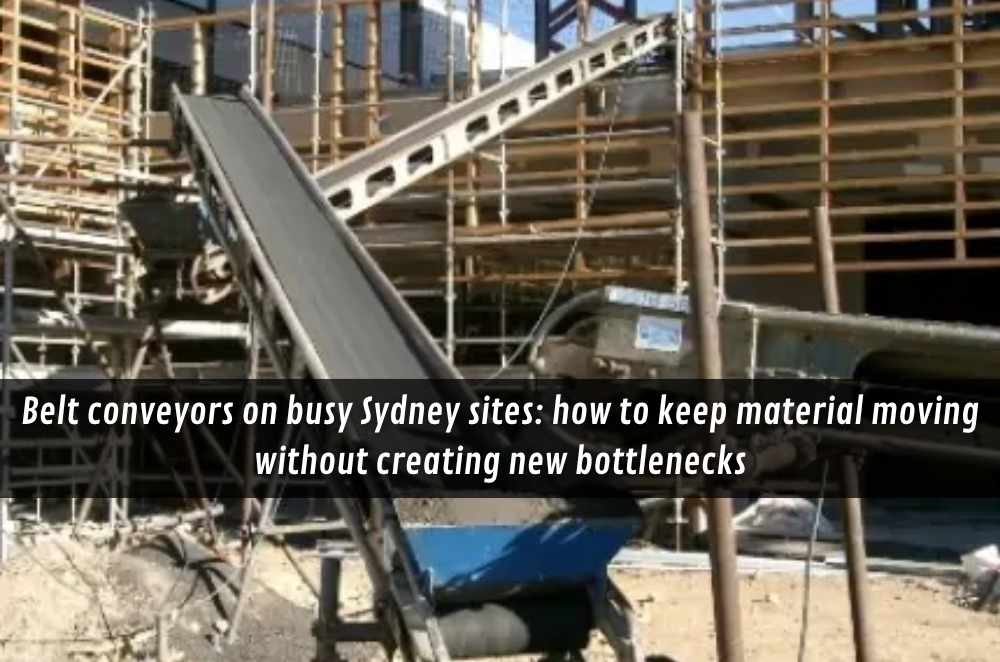
Belt conveyors on busy Sydney sites: how to keep material moving without creating new bottlenecks
Material flow is one of the easiest ways to lose a day without noticing until it’s gone.

Material flow is one of the easiest ways to lose a day without noticing until it’s gone.
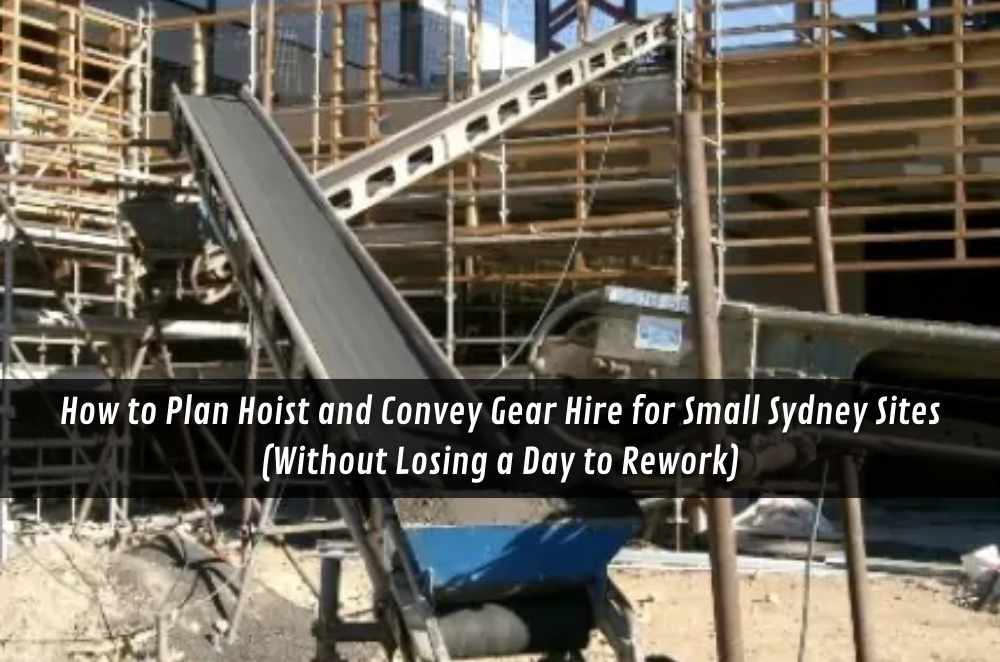
Small sites have a special talent for turning “a quick lift” into a half-day drama. One parked ute blocks the only access lane. The service lift is booked out. The stairwell landing is tighter than the sketch suggested. Then the item arrives, the team realises it won’t rotate through the doorway, and everyone starts improvising.
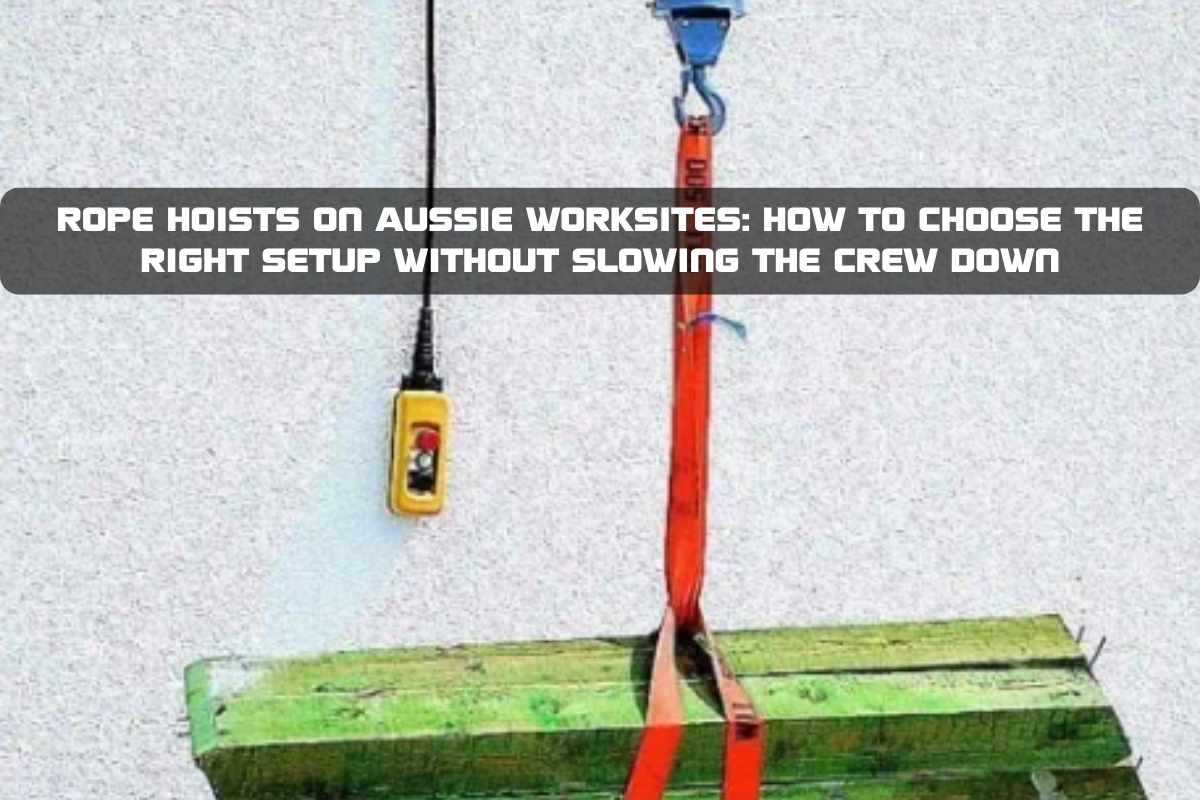
A rope hoist looks simple until it becomes the bottleneck on a busy site.
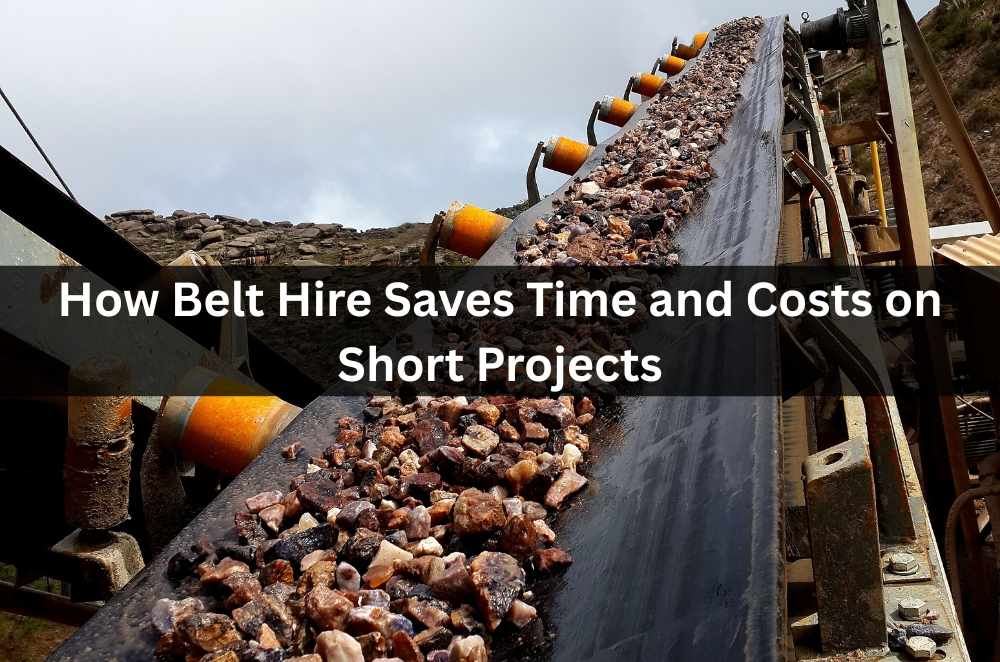
First week of a shutdown, a stockpile swelled after rain, and the loader queue blew out. We didn’t chase a rush purchase; we hired a compact stacker and nudged throughput without adding headcount. That moment sums up the case for rubber belt conveyors on short-term jobs: pick a belt that suits the window, not a forever machine that eats capex and floor space. Keep the footprint tidy, the setup simple, and the flow consistent. When the job wraps, the site breathes again—no surplus kit sulking in the corner, and no spreadsheets mourning depreciation.
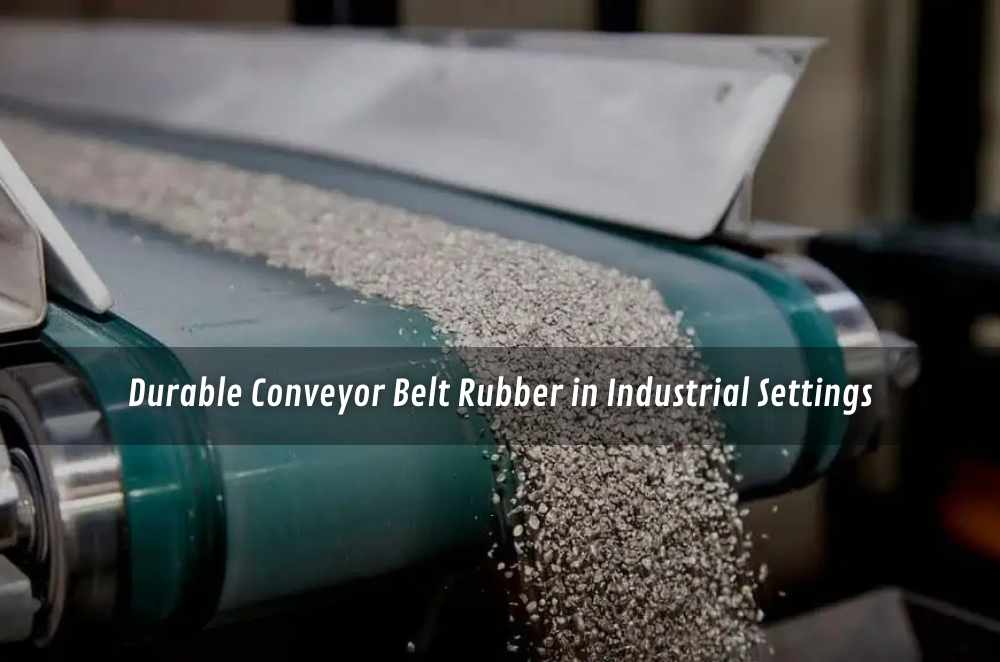
When a plant’s moving parts face dust, heat, and constant starts and stops, the belt rubber takes the hit first. The right compound keeps materials flowing smoothly, saves pulleys from early wear, and helps crews avoid constant clean-ups. If you’ve ever worked in an environment where a line shuts down because of frayed edges or tracking issues, you’ll know how quickly productivity suffers. That’s why choosing a rubber conveyor belt that matches your operation’s conditions isn’t just smart engineering — it’s common sense. It’s about picking something that can handle the pressure without fuss, and that keeps doing its job long after other components start to complain. In the following sections, we’ll unpack how to match the right rubber type with your material, environment, and maintenance routine, so your conveyor system stays reliable, day after day.
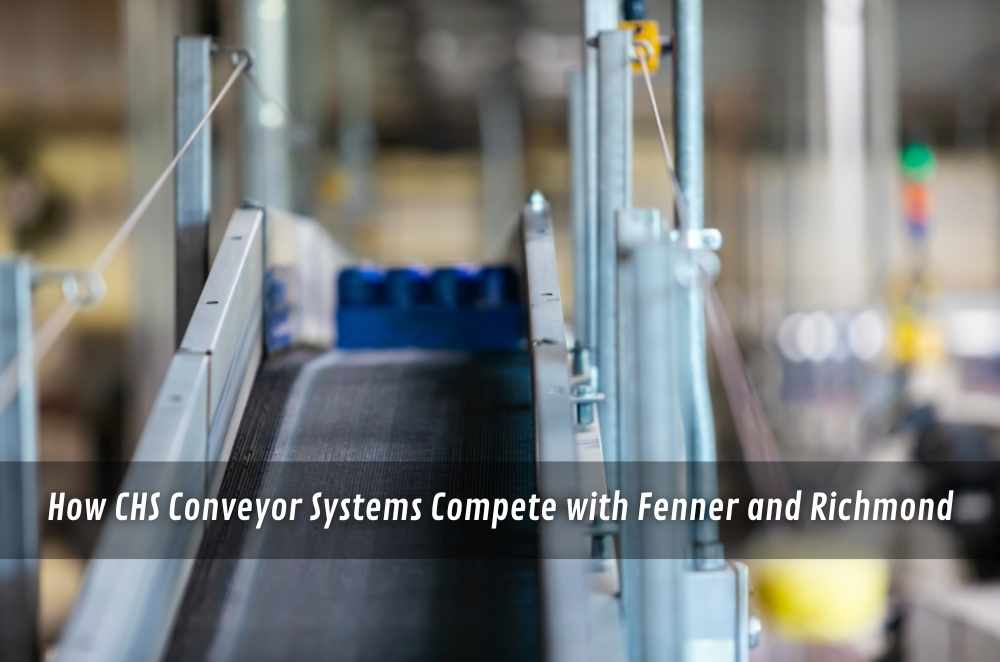
Australian factories don’t choose conveyors the way they’d pick a new chair or a set of tools. The decision is tied to how products move, how people interact with machines, and where safety or downtime can creep in. That’s why comparisons between CHS, Fenner, and Richmond aren’t about logos but about how well each provider can design around real production needs. Some businesses need a pedigreed pedigree, others want off-the-shelf components, while many are searching for flexible layouts that can adapt to shifting demand. In practice, the smartest choice often comes down to who can deliver conveyor systems for factories that balance flow, safety, and long-term scalability. From there, the competition is less about catalogue size and more about which partner can make the layout fit your floor, your operators, and the peaks you know are coming.
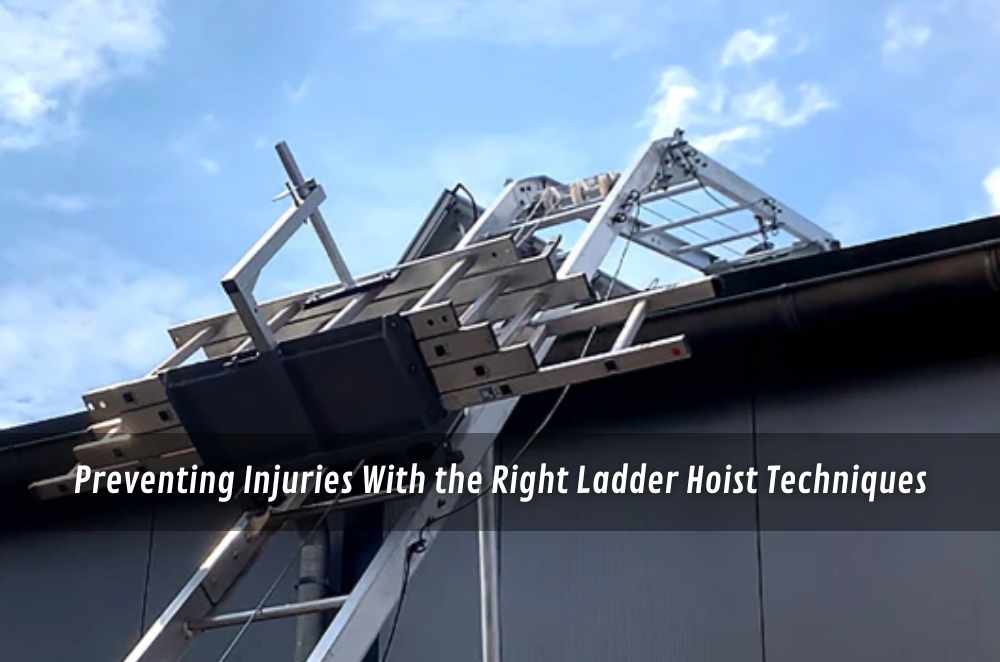
You know how things change once you’ve been on site a while? When I first started, lifting heavy stuff was just something you powered through, no questions asked. But over time, I realised it’s not just about muscle — it’s about working smarter to avoid injuries that can haunt you later on. That’s why I’m a big fan of using a ladder hoist 14m when moving materials up to higher levels. It’s not about taking shortcuts, but about making the job safer and less of a strain on your body. Seeing one in action for the first time really opened my eyes — suddenly, what felt like a mountain of bricks or timber became a whole lot easier to handle. It’s small changes like this that can make a big difference on site, day in, day out.
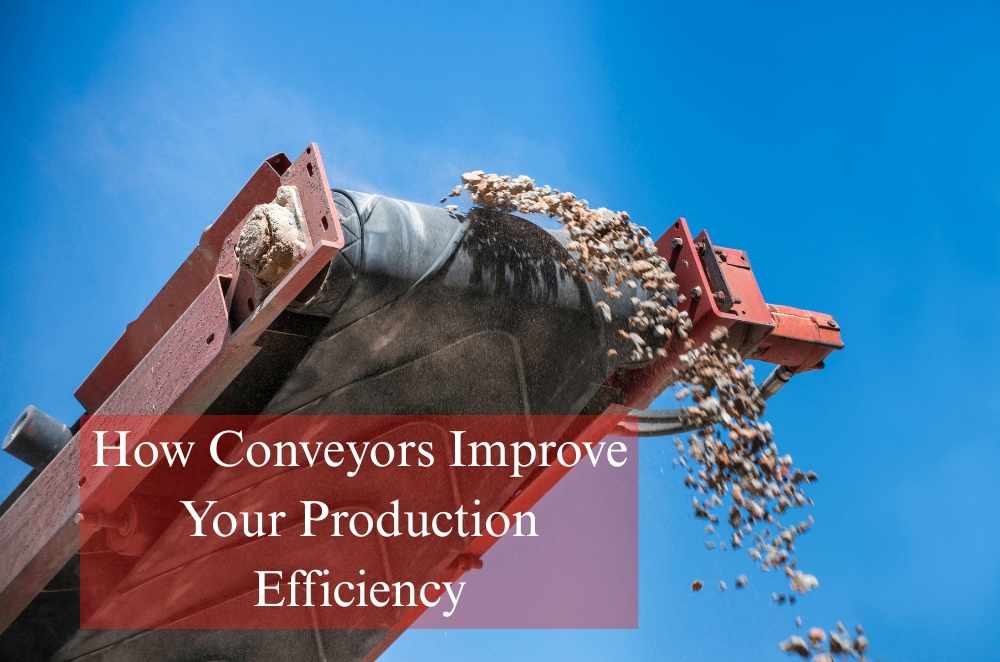
If you’ve ever spent time in a factory or warehouse, you’ve probably noticed how much smoother everything moves when conveyors are part of the picture. I remember walking through a distribution centre years ago and being struck by the steady rhythm—products sliding past in neat lines while people focused on checking quality and planning the next steps. It’s easy to underestimate how much conveyors can change the daily flow. Beyond saving time, they help reduce mistakes, support safer working conditions, and make it easier to keep up when demand picks up. A good system does more than shift boxes; it becomes the backbone of your production.
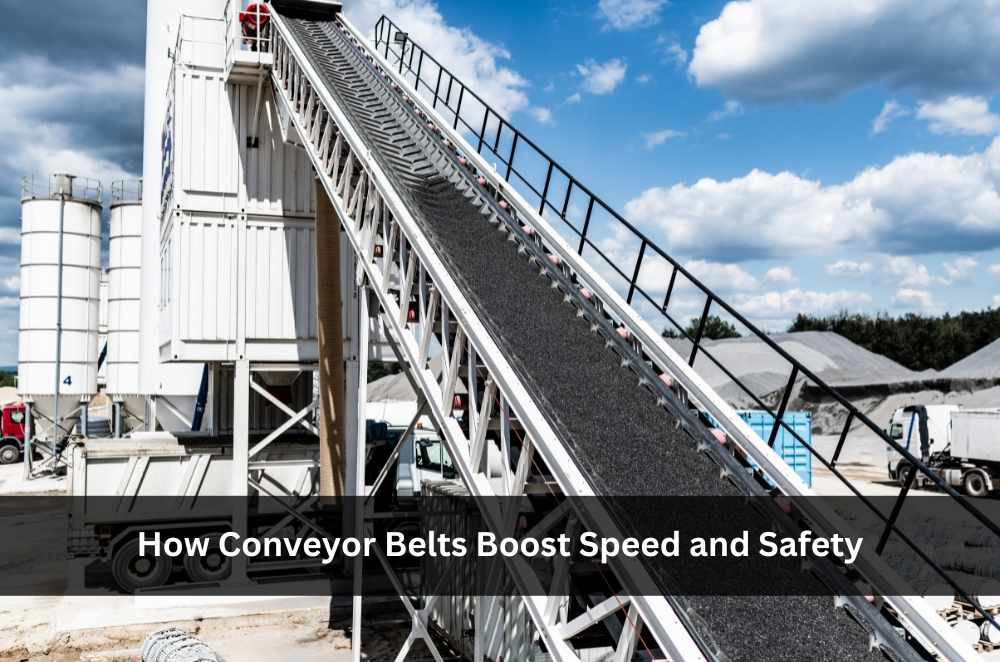
Why conveyor belts are more than just a moving surface
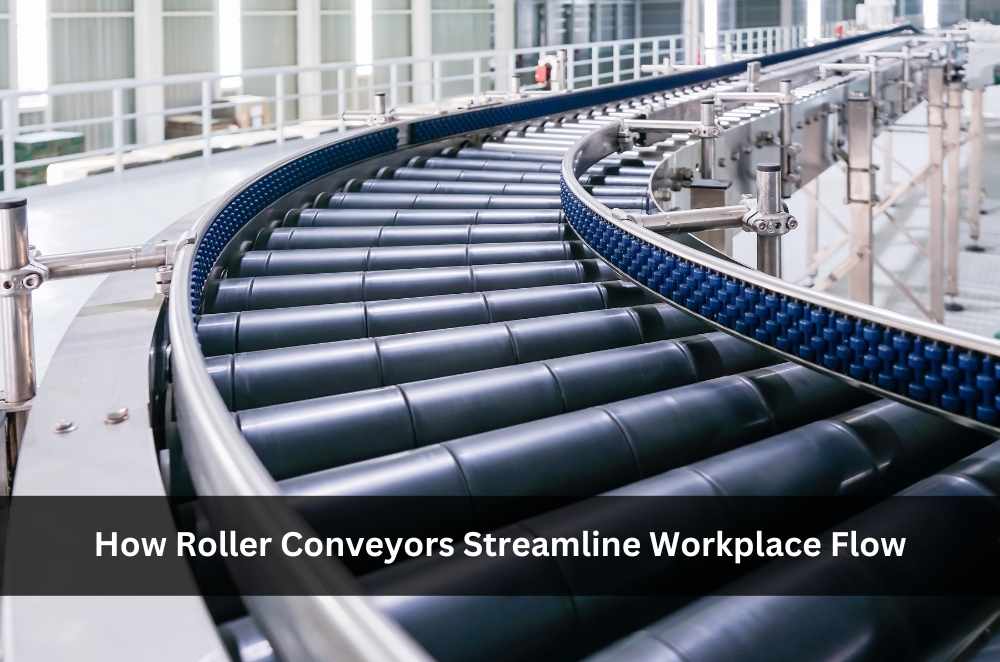
Smart facilities rely on gravity roller systems to move faster